Combined Heat & Power (CHP)

Why Combined Heat & Power?

Energy Efficiency up to ~90%

  • CHP (cogeneration) simultaneously produces electricity and useful heat, achieving 80–90% total system efficiency, compared to ~33–54% for centralized grid + boiler systems.
  • Centralized power plants lose ~68% of input energy as waste heat; CHP captures and uses this heat.
  • Edison’s shift from selling “light” to selling metered electricity created a century-long incentive for inefficient end-use consumption.
  • CHP avoids long-distance transmission where marginal line losses are double average losses (e.g., 5% average → 10% marginal).
  • Transmission and distribution charges account for ~50% of per-kWh costs for small commercial users; CHP avoids these costs.
  • Onsite generation eliminates conversion losses, boiler losses, and transmission losses simultaneously.
  • ORNL: If 20% of U.S. generating capacity came from CHP:
    • 5.3 quadrillion BTUs conserved annually
    • 23% reduction in total U.S. energy demand
  • CHP engines are industrial-grade, designed for 7×24 operation, 90% uptime, and 15+ year lifespans, unlike lightweight automotive engines.
  • Trigeneration (electricity + heat + cooling) further improves overall system economics and efficiency.
  • Particularly efficient in heat-dominant climates (e.g., Canada) where thermal demand exceeds electrical demand.
  • Commercial buildings north of the 49th parallel can reduce operating costs 20–40% using CHP.

Resilience: Keep a facility operating during a grid outage

  • CHP enables decentralized, onsite power generation, reducing dependence on long-distance transmission infrastructure.
  • Reduced exposure to:
    • Grid congestion
    • Transmission failures
    • Rider fees and volatile utility pricing
  • Dispatchable, non-intermittent power unlike wind or solar.
  • Enhances system resilience by reducing line loading, where losses rise exponentially with flow.
  • Provides non-interruptible power for critical facilities.
  • CHP systems are:
    • Proven
    • Mechanically simple
    • Widely deployed (tens of thousands of installations globally)
  • Industrial and commercial CHP systems operate reliably most hours of the year.
  • Large centralized plants are brittle:
    • Single points of failure
    • Long restart times
    • High water dependency
  • Countries with strong energy resilience (Denmark, Finland, Norway, Russia) derive 30%+ of electricity from CHP.
  • CHP can use multiple fuels (natural gas, biodiesel, biomethane), improving fuel flexibility and security.

Environmental: Significantly reduce greenhouse gas emissions

  • CHP significantly reduces CO₂ emissions per unit of useful energy by doubling effective efficiency.
  • Central thermal power plants account for 63% of all freshwater withdrawals in Canada, most of which is lost to evaporation.
  • CHP systems are largely closed-loop, dramatically reducing water consumption.
  • Avoids massive material use required for transmission:
    • 500 km 220 kV line: 55 million lbs steel + 4.4 million lbs aluminum
    • Single solar panel: ~15 lbs steel (illustrating transmission material intensity)
  • Reduced fuel consumption directly lowers:
    • Emissions
    • Resource extraction
    • Environmental degradation
  • Waste heat from centralized fossil plants is the second-largest “energy consumer” globally, representing avoidable environmental loss.
  • CHP aligns with clean energy goals despite using fossil fuels by:
    • Maximizing energy extracted per unit fuel
    • Reducing overall system emissions
  • Recognized by ORNL as a leading clean-energy solution alongside wind, solar, and nuclear due to its cost-effectiveness and emissions reductions.

Use Cases

Our Team's Projects

Sprung Structures

Sprung Structures

2022

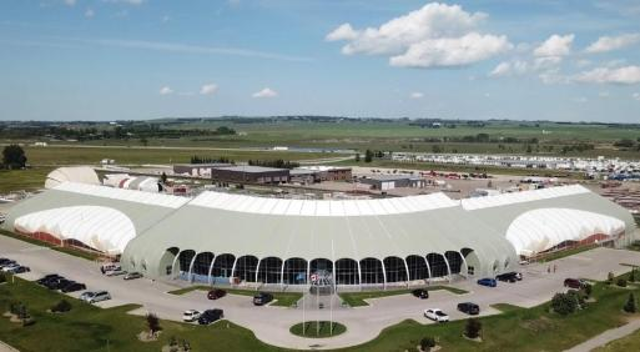
In 2007 Sprung Structures moved its head office and manufacturing facilities to a multi-acre campus in Aldersyde, Alberta. Having outgrown several office and manufacturing facilities in Calgary, Sprung wanted to consolidate into one facility and create a showcase for what can be achieved with Sprung buildings. The 150,000 square foot (13,935 m2) Sprung Structure is equipped with two manufacturing wings and office space which features R30 plant-based insulation and an architectural membrane with special translucent panels in the peak which provides natural daylight. The center core of the facility includes a 30’ high glazing wall that provides breathtaking views of the Rocky Mountains, a restaurant, gymnasium, indoor gardens, lounge, athletic center, and corporate offices.
CO-OP — Calgary

CO-OP — Calgary

2017

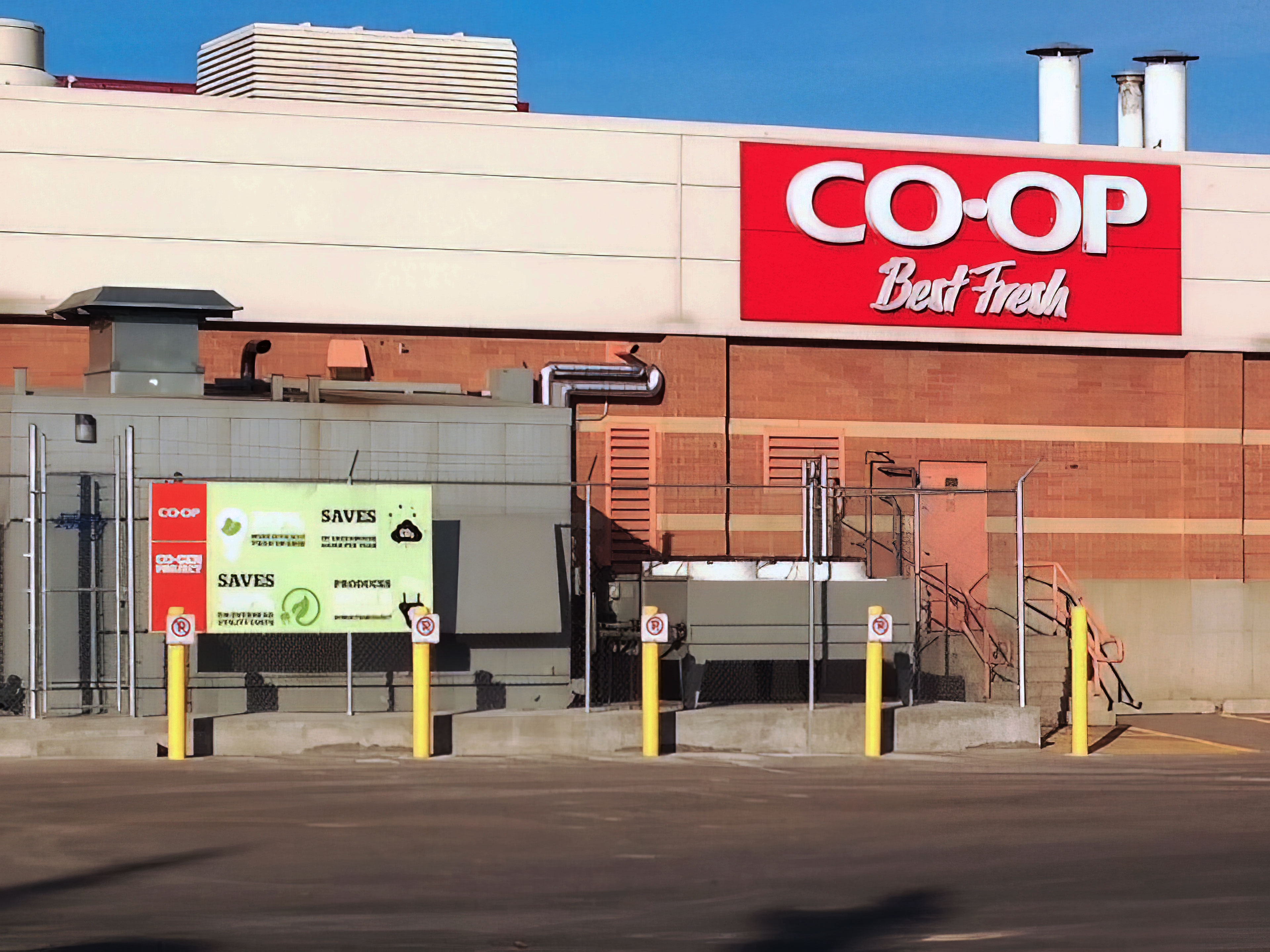
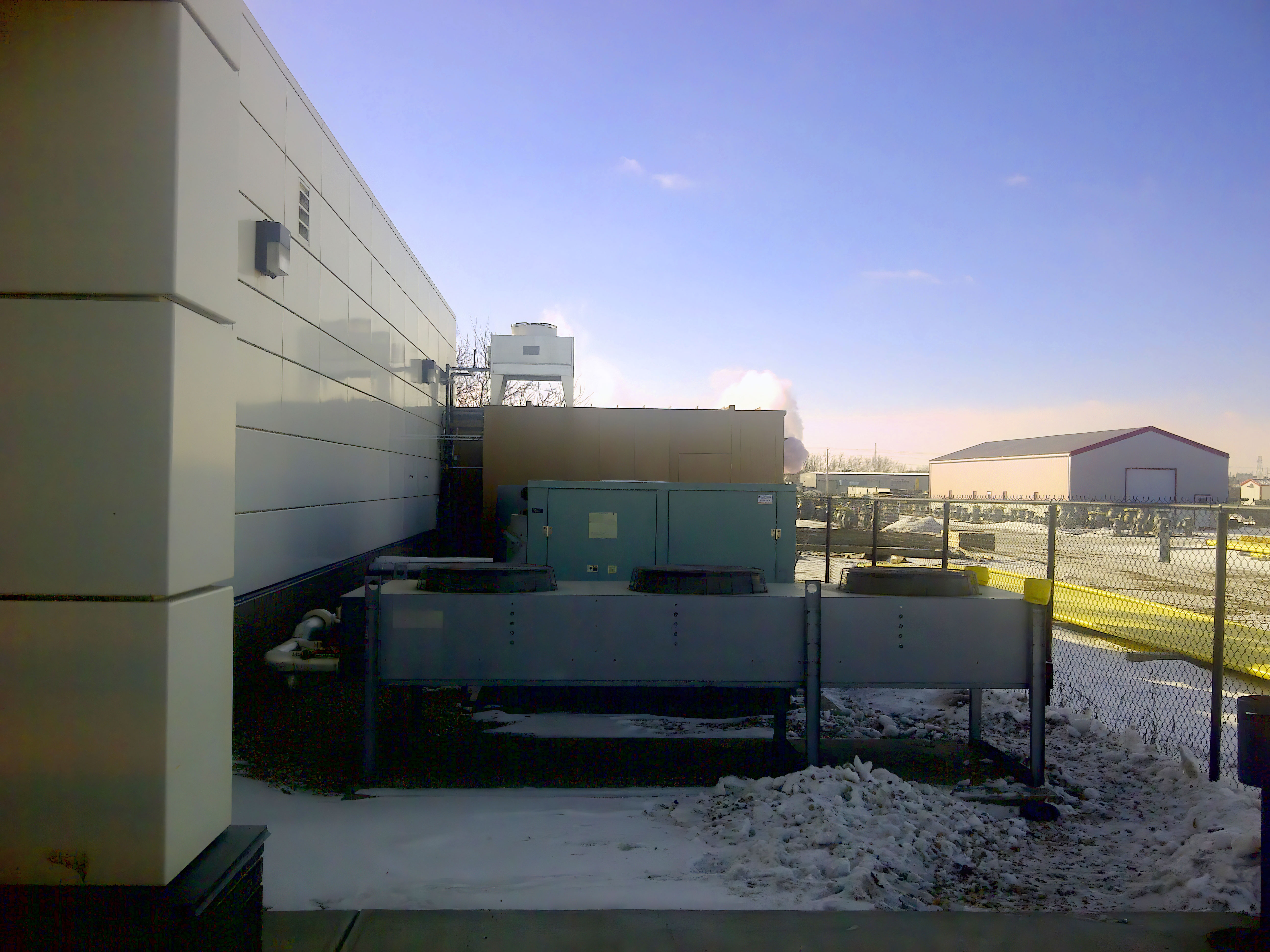
The grocery sector is highly competitive, and minimizing utility costs can have a meaningful impact on the bottom line. Calgary Co-op was amongst the earliest grocery chain to adopt CHP’s in North America but their peers have long done so in Europe and Asia.

Derrick Golf & Winter Club

2009

In 1958, the Derrick Club began to convert 150 acres into the golf and country club it is today. With an 18-hole golf course, pools, banquet facilities, curling rinks, badminton and tennis courts, the cogeneration boiler replaced the original, inefficient boiler to serve the club’s domestic hot water and space heating needs.

ATCO Gas Pipelines

ATCO Gas Pipelines

2014

ATCO was also looking for ways to minimize its environmental footprint and to reduce the facility’s energy consumption. We provided ATCO Pipelines with an 80kW prime power electrical generator from which simultaneously harvests 392,396 BTU’s of thermal output. This combined heat and power system serves as the lead boiler on the building and heats the building by itself almost all hours of the year.

Enjoy Center Greenhouse Mall

2011

A cogeneration boiler producing 240kW of electricity and 1.242 MBTU of boiler capacity. CHP with natural gas qualifies for greenhouse gas savings (942 tonnes in AB with a 240kWh unit operating 90% of a year) — 776 tonnes is equivalent to taking 166 cars off the road for a year of planting 206 acres of fir trees!

Lumino Condos

Lumino Condos

2010

Notable features of the property include a rooftop photovoltaic solar array, co-generation facilities shared by our other Lumino Park buildings, a multi-level parkade, a 18th floor 360-degree resident lounge, in-building gym, multiple amenity kitchens, and outdoor greenspaces. The building is also certified Built Green® Platinum